Product Categories:
Blog
Wintergreen Oil Uses: Benefits, How to Use It Safely, and What Science Says

Share:

Product Categories:














Authentic Nilgiri Products
Have you ever wondered why so many massage oils, pain-relief balms, and sports creams have that fresh, minty smell? One of the key ingredients behind that familiar aroma is often wintergreen oil. This powerful essential oil has been used for centuries in traditional herbal practices and continues to be popular in modern wellness products.
Today, people use wintergreen oil for massage, aromatherapy, skincare formulations, and homemade wellness products. Its refreshing scent and naturally occurring compounds have made it one of the most recognized essential oils around the world. However, because it is highly concentrated, it also requires careful and responsible use.
If you’re curious about wintergreen oil uses, this guide will help you understand what the oil is, how it works, what research says about its benefits, and how to use it safely. Whether you’re completely new to essential oils or looking to deepen your knowledge, you’ll find practical advice backed by science rather than myths or exaggerated claims.
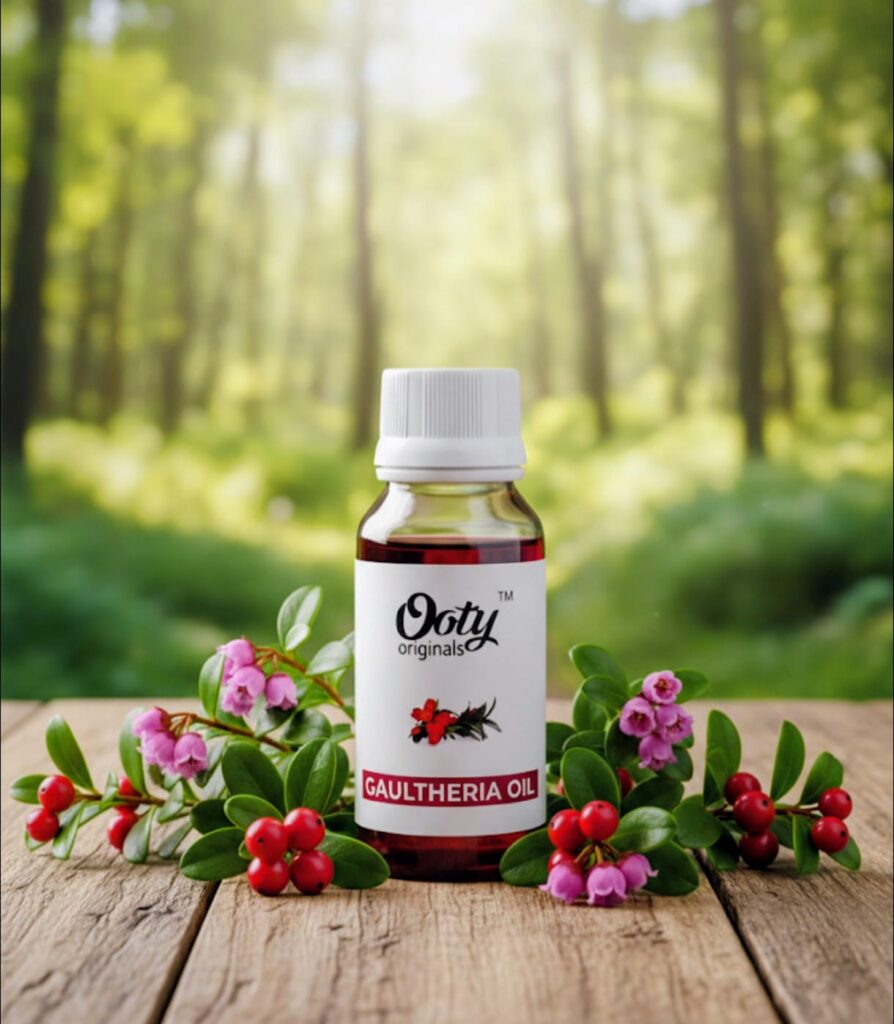
Wintergreen oil is an essential oil extracted from the leaves of wintergreen plants, particularly Gaultheria procumbens and, in some regions of Asia, Gaultheria fragrantissima. These evergreen shrubs grow naturally in cool forests and mountainous areas. The leaves contain natural compounds that are released during processing to produce the characteristic oil.
One of the reasons wintergreen oil stands out is its composition. Unlike many essential oils that contain dozens of compounds in similar amounts, wintergreen oil is made up almost entirely of methyl salicylate, a naturally occurring organic compound responsible for its sweet, mint-like aroma.
Think of methyl salicylate as the “signature ingredient” of wintergreen oil. Just as caffeine gives coffee many of its stimulating effects, methyl salicylate gives wintergreen oil many of its characteristic properties and fragrance.
Wintergreen has a long history that stretches back hundreds of years. Indigenous communities in North America traditionally used the leaves in herbal preparations and teas. These preparations were valued in everyday wellness practices long before modern laboratories identified the plant’s active compounds.
As scientific methods advanced during the nineteenth and twentieth centuries, researchers discovered that wintergreen oil naturally contains high concentrations of methyl salicylate. This discovery led to its widespread use in pharmaceutical liniments, massage products, sports creams, and topical formulations.
Today, wintergreen oil continues to bridge traditional herbal knowledge with modern scientific research. Scientists are still studying its biological activities, while manufacturers use it in a wide range of wellness and personal care products.
Many people assume that essential oils are simply squeezed from plants. Wintergreen oil is different.
Fresh wintergreen leaves naturally contain compounds called glycosides, especially one known as gaultherin. During processing, the leaves are soaked in warm water, allowing natural enzymes to break down these compounds. This process releases methyl salicylate, which is then collected through steam distillation.
You can think of this process like brewing tea. Hot water helps release valuable compounds from the leaves, but instead of making a drink, the released aromatic compounds are distilled into pure essential oil.
The quality of the final oil depends on several factors:
Among all essential oils, wintergreen oil has one of the simplest chemical profiles. Research shows that natural wintergreen oil may contain more than 95% methyl salicylate, with only very small amounts of other naturally occurring compounds.
This makes wintergreen oil quite different from oils like lavender or eucalyptus, which contain many major components working together.
Its distinctive sweet, cooling aroma has made it a popular ingredient in:
Because of its concentrated composition, even a small amount can provide a strong fragrance.
To understand many wintergreen oil uses, it helps to understand how its main natural compound behaves.
When diluted and applied to the skin, methyl salicylate produces a warming and cooling sensation. This sensory effect is one reason it has long been included in massage oils and topical comfort products.
Imagine rubbing your hands together on a cold day. The warmth doesn’t remove the cold instantly, but it changes how your skin feels. In a similar way, products containing wintergreen oil create sensations that many people find soothing when used as directed.
Researchers have also investigated the compound’s biological activity in laboratory and animal studies. Some studies suggest anti-inflammatory, antimicrobial, and antioxidant properties, but the strength of evidence varies depending on the specific use. While traditional uses are well documented, more high-quality human clinical trials are still needed to confirm many health-related claims.
Many essential oils become trendy for a few years before fading from public attention. Wintergreen oil is different because it has remained relevant across generations.
Its popularity comes from several factors:
From athletes using massage blends after exercise to people diffusing it for its refreshing aroma, wintergreen oil continues to find a place in modern wellness routines.
In the next section, we’ll explore the most common wintergreen oil uses, the benefits of wintergreen essential oil, what scientific studies say about these applications, and how to use it safely in everyday life.
One of the reasons wintergreen oil has remained popular for centuries is its versatility. From massage therapy to aromatherapy and homemade wellness products, it serves many different purposes. However, it’s important to remember that wintergreen oil uses should always be approached responsibly because the oil is highly concentrated and rich in methyl salicylate.
Let’s explore the most common wintergreen essential oil uses and what current research says about each one.
Massage is one of the most popular uses for wintergreen oil. When diluted with a carrier oil, it creates a warming and cooling sensation on the skin that many people find relaxing after physical activity or a long day.
Professional massage therapists often combine wintergreen oil with carrier oils such as sweet almond, jojoba, or coconut oil. It also blends well with eucalyptus, peppermint, rosemary, and lavender essential oils to create refreshing massage blends.
How to use:
Another common wintergreen essential oil use is aromatherapy. Its fresh, sweet, minty aroma can make a room feel cleaner and more refreshing.
Many people diffuse wintergreen oil while reading, meditating, or relaxing at home. Others enjoy combining it with citrus or herbal essential oils to create a balanced fragrance.
Popular diffuser blends include:
Although many people find the aroma uplifting, scientific evidence regarding mood improvement from wintergreen specifically remains limited.
Walk into almost any sports store, and you’ll notice that many muscle rubs and recovery creams contain methyl salicylate—the primary natural compound found in wintergreen oil.
Athletes often use these products after workouts because they produce a cooling and warming sensation that many users associate with comfort after strenuous activity.
It’s worth noting that the feeling of relief comes partly from how methyl salicylate interacts with sensory nerves in the skin. This doesn’t necessarily mean it treats the underlying cause of discomfort.
Many essential oil enthusiasts prepare their own massage oils at home.
For example:
This creates a refreshing massage blend suitable for external use.
Always prepare small batches and follow recommended dilution guidelines.
One of the traditional uses for wintergreen oil is in homemade balms and herbal salves.
People often combine wintergreen oil with:
These ingredients help create smooth topical formulations.
Remember that homemade products should still follow proper dilution recommendations.
Some people add diluted wintergreen oil to bath products to create an invigorating bathing experience.
Because essential oils do not dissolve in water, they should first be mixed with:
Never pour pure essential oil directly into bath water.
Wintergreen’s refreshing aroma makes it popular in DIY room sprays.
A simple recipe includes:
This creates a pleasant herbal fragrance for indoor spaces.
Artisan soap makers frequently use wintergreen oil because its scent survives the soap-making process well.
Its refreshing aroma complements ingredients like peppermint, eucalyptus, cedarwood, and citrus oils.
Wintergreen oil is also used in scented candles and wax melts.
Its crisp aroma can make indoor environments feel fresh and clean, especially when blended with pine or citrus fragrances.
Many natural personal care products include wintergreen oil in small amounts.
Examples include:
Manufacturers carefully control the concentration to ensure safe use.
Wintergreen oil has attracted considerable scientific interest because of its high methyl salicylate content.
Researchers have studied several biological activities, including:
Laboratory and animal studies suggest that methyl salicylate may influence inflammatory pathways.
However, researchers emphasize that many findings come from laboratory studies rather than large human clinical trials.
Some studies indicate that wintergreen plant extracts contain compounds capable of neutralizing free radicals.
These antioxidant properties are interesting scientifically, although more human research is needed.
Researchers have investigated wintergreen oil against various bacteria and fungi.
Some laboratory experiments demonstrate antimicrobial activity, but laboratory results should not automatically be interpreted as clinical effectiveness in humans.
This distinction is important.
Traditional medicine may recommend wintergreen for many purposes based on centuries of experience.
Modern science asks a different question:
“Can controlled clinical studies consistently demonstrate these effects?”
For several traditional applications, evidence remains promising but incomplete.
This doesn’t mean traditional knowledge is incorrect—it simply means researchers need more high-quality human studies.
Many people searching for wintergreen essential oil benefits are interested in how the oil fits into everyday wellness routines.
Some commonly appreciated benefits include:
Refreshing Aroma
Its sweet, mint-like scent creates an energizing atmosphere.
Excellent for Massage Blends
Wintergreen combines well with many other essential oils used in massage therapy.
Versatile Essential Oil
From aromatherapy to soaps and body oils, wintergreen has numerous practical applications.
Long Shelf Life
When stored correctly in a cool, dark place, quality wintergreen oil maintains its aroma for a long time.
Blends Easily
It pairs well with:
Practical Tips for Safe Use
Essential oils are extremely concentrated.
Think of them like concentrated fruit juice—you wouldn’t drink an entire bottle at once. In the same way, only small amounts of wintergreen oil are needed.
Here are some practical tips:
Who May Enjoy Wintergreen Oil?
Many adults incorporate wintergreen oil into their wellness routines for:
People who enjoy herbal scents often appreciate its unique minty aroma.
Who Should Avoid Wintergreen Oil?
Although wintergreen oil has many applications, it isn’t suitable for everyone.
Extra caution is advised for:
If you have an underlying medical condition or take prescription medication, consult a healthcare professional before using wintergreen oil.
Looking Ahead
Scientists continue to study wintergreen oil and its natural compounds to better understand their biological activities. Future research may provide stronger evidence for some traditional uses while helping establish clearer safety guidelines and optimal applications.
Is Wintergreen Oil Safe?
Wintergreen oil is a valuable essential oil when used correctly, but it is also one of the strongest essential oils available. Unlike many other essential oils, wintergreen oil contains a very high concentration of methyl salicylate, a naturally occurring compound that is closely related to aspirin. Because of this, safe and responsible use is extremely important.
Scientific organizations and toxicology experts agree that wintergreen oil should be used externally, in small amounts, and only after proper dilution. Using more oil does not make it more effective—in fact, excessive use may increase the risk of unwanted side effects.
Possible Side Effects
Most people can use properly diluted wintergreen oil without problems. However, some individuals may experience skin irritation or sensitivity.
Possible side effects include:
If irritation develops, wash the area with soap and water and discontinue use.
Who Should Avoid Wintergreen Oil?
Certain groups should avoid wintergreen oil unless advised otherwise by a qualified healthcare professional.
These include:
Because methyl salicylate can be absorbed through the skin, extra care is recommended for these groups.
Safe Usage Guidelines
Following a few simple precautions can help you enjoy wintergreen oil safely.
Always Dilute It
Never apply undiluted wintergreen oil directly to your skin.
A general guideline for adults is:
Carrier oils include:
Perform a Patch Test
Before using wintergreen oil for the first time:
Keep Away From Children
Wintergreen oil should always be stored in a secure place.
Because of its pleasant minty smell, children may mistake it for something edible. Even small amounts swallowed accidentally can be dangerous. If accidental ingestion occurs, seek immediate medical attention or contact your local poison control center.
Store It Properly
Essential oils last longer when stored correctly.
For best quality:
Proper storage helps preserve both the aroma and quality of the oil.
Common Mistakes People Make
Many beginners become interested in essential oils after reading online articles or watching social media videos. Unfortunately, not everything shared online is accurate.
Here are some common mistakes to avoid.
Using Too Much Oil
Wintergreen oil is extremely concentrated.
A few drops are usually enough. More is not better.
Applying It Without Dilution
This is one of the biggest mistakes.
Pure essential oil may irritate the skin. Always mix it with a suitable carrier oil before topical use.
Assuming “Natural” Means Completely Safe
Many people believe that because wintergreen oil comes from a plant, it cannot cause harm.
This is a misconception.
Natural substances can still be very powerful. Just as some plants are edible while others are poisonous, essential oils also require careful handling.
Ignoring Medical Conditions
People taking medications sometimes forget that herbal products can interact with certain drugs.
If you have a chronic medical condition, it is always wise to discuss essential oil use with your healthcare provider.
Buying Low-Quality Products
Not all essential oils are created equal.
Poor-quality oils may contain:
Choose reputable brands that provide information about sourcing, purity, and manufacturing practices.
Wintergreen Oil Myths vs Facts
| Myth | Fact |
| Wintergreen oil can be applied directly to the skin. | It should always be diluted before topical use. |
| Natural oils are always completely safe. | Natural products can still cause side effects if misused. |
| More oil gives better results. | Small, properly diluted amounts are recommended. |
| Wintergreen oil cures every type of pain. | Research supports some traditional uses, but it is not a cure-all. |
| Every wintergreen oil is identical. | Quality depends on plant source, extraction, storage, and purity. |
Interest in natural products continues to grow worldwide.
Researchers are exploring wintergreen oil in areas such as:
Scientists are also working to better understand how wintergreen oil compares with synthetic methyl salicylate and whether other naturally occurring compounds in the plant contribute to its overall properties.
More well-designed human clinical trials are still needed to confirm many traditional claims and establish the safest and most effective ways to use wintergreen oil.
1. What is wintergreen oil mainly used for?
Wintergreen oil is commonly used in massage oils, aromatherapy, personal care products, sports rubs, and DIY wellness formulations.
2. Can wintergreen oil be applied directly to the skin?
No. It should always be diluted with a suitable carrier oil before topical application.
3. Can I diffuse wintergreen oil?
Yes. Many people use a few drops in an essential oil diffuser to enjoy its refreshing mint-like aroma.
4. Is wintergreen oil edible?
No. Wintergreen essential oil should not be consumed unless specifically directed by a qualified healthcare professional.
5. Does wintergreen oil blend well with other essential oils?
Yes. It blends beautifully with peppermint, eucalyptus, rosemary, lavender, cypress, lemon, tea tree, and frankincense.
6. Why does wintergreen oil smell like mint?
Its characteristic aroma comes mainly from methyl salicylate, its primary natural constituent.
7. Can children use wintergreen oil?
It is generally not recommended for young children without medical guidance because of its high methyl salicylate content.
8. How should I store wintergreen oil?
Store it in a tightly closed dark glass bottle, away from sunlight, heat, and moisture.
9. What carrier oils work best?
Sweet almond oil, jojoba oil, coconut oil, grapeseed oil, and sesame oil are all good choices.
10. How long does wintergreen oil last?
When stored correctly, quality wintergreen oil typically maintains its freshness for several years, although checking the manufacturer’s recommended shelf life is always advisable.
11. Is wintergreen oil the same as peppermint oil?
No. While both have refreshing aromas, they come from different plants and contain different major chemical compounds.
12. How many drops should I use?
Only a few drops are usually needed because wintergreen oil is highly concentrated.
Wintergreen oil has earned its place as one of the most recognizable essential oils because of its distinctive aroma, traditional heritage, and versatility. From massage and aromatherapy to handcrafted wellness products, its uses continue to appeal to people who appreciate natural botanical ingredients.
At the same time, wintergreen oil deserves respect. Its naturally high methyl salicylate content makes it much more concentrated than many other essential oils. Using it correctly—by diluting it properly, following safety guidelines, and choosing a high-quality product—is the key to enjoying its benefits responsibly.
As research continues to expand our understanding of this remarkable plant, wintergreen oil remains a fascinating example of how traditional botanical knowledge and modern science can complement one another. Whether you’re new to essential oils or an experienced enthusiast, informed and careful use will help you make the most of this refreshing and versatile natural oil.